


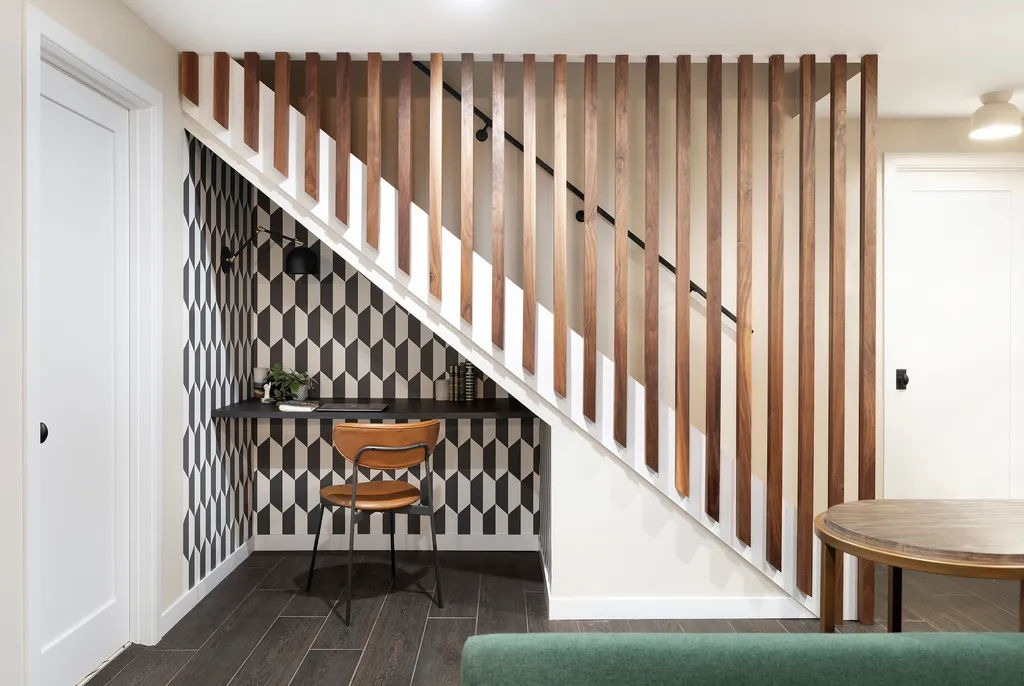
Stair railings do not have to follow a standard shape, as fabrication methods allow components to match specific architectural requirements. Metal fabrication services use cutting, shaping, welding, and finishing techniques to produce distinctive railing components. Materials range from iron to glass, and they can support different design directions. Here are some ways professional fabrication creates unique stair railings:
Combine Different Materials
Material selection changes the visual character and construction approach of custom railings. Iron creates opportunities for traditional detailing, and aluminum provides another option for lightweight railing systems. When metal fabrication services combine appropriate materials, the railing design gains additional flexibility.
Different materials also support distinct railing styles and applications. Interior iron railings may suit ornate architectural settings, while aluminum railings offer strength and durability for other design directions. Cable and glass railings introduce different visual elements for modern spaces, but they still maintain safety and functionality. With these different materials and styles available, metal fabrication services can create custom railing systems that complement the architecture, aesthetic, and practical requirements of a property.
Shape Custom Profiles
Custom fabrication allows railing components to follow the geometry of a particular staircase. Straight runs require different profiles from curved sections, while landings create additional transition points. A metal fabricator shapes each component according to the approved design, and the finished profile follows the staircase rather than forcing the structure into a standard form.
Curved handrails provide one instance of this flexibility, and geometric patterns create another option. Both approaches suit different architectural settings and design preferences. When measurements account for angles and transitions, metal railing fabricators can produce sections that align across the staircase.
Custom profiles also extend to handhold shapes and supporting components. A railing contractor may coordinate these details with existing stair treads, flooring, or surrounding finishes; this helps create a cohesive appearance. The result is a railing system with components designed for the actual staircase rather than generic dimensions, helping the finished installation fit the space more precisely.
Add Decorative Details
Decorative fabrication gives stair railings additional architectural detail without changing their basic function. The following components offer distinct ways to develop decorative railing details:
- Scrollwork: Adds shaped ornamental elements.
- Balusters: Create repeated vertical design features.
- Newel posts: Define prominent railing support points.
- Handholds: Provide customized grip profiles.
- Accents: Connect decorative details with surrounding architecture.
Decorative details become part of the railing during fabrication rather than being added as unrelated components. Custom welding joins the pieces, and finishing creates a consistent appearance across the completed system. When a railing’s materials, profile, and detailing relate to the existing design, it can become a cohesive part of the surrounding architecture, complementing the staircase and other architectural features.
Fit Stair Geometry
Accurate measurements influence how stair railings follow rises, landings, angles, and transitions. Fabricators assess the staircase before production begins, and mounting conditions affect the final component dimensions. A measured design also supports precise stair railing installation because each section corresponds with its intended location. In commercial structures, building codes may outline specific requirements for stair railing height and spacing between rails to support user safety.
Learn More About Metal Fabrication
Stair railings help enhance safety and aesthetics, and the design planning stage affects how fabrication connects with installation. A metal fabrication company may assess measurements, prepare drawings, fabricate components, and coordinate installation as separate project stages. For projects requiring custom metal railings and other designs, contact a qualified fabricator to discuss their services.