


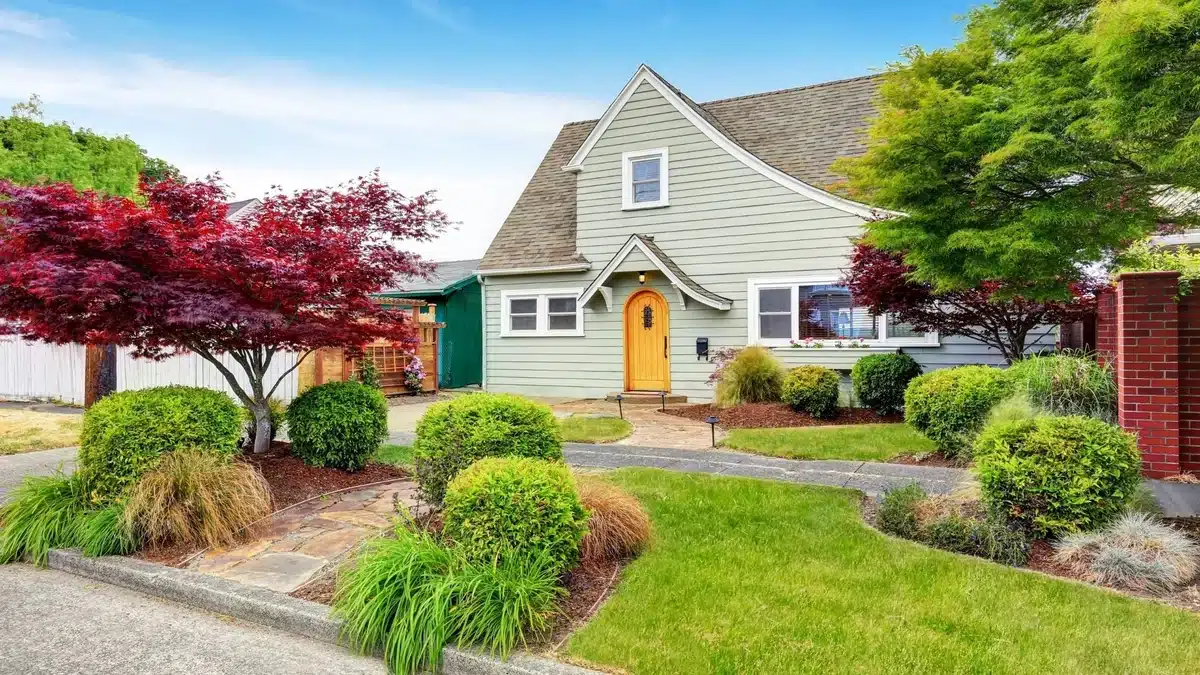
Trees influence how a residential or commercial property looks, functions, and develops over time. The right species should suit the planting site, while its mature size and care requirements need to align with the property’s long-term plans. Here are some tips to help you choose the right trees for sale for your landscaping needs:
Match the Local Conditions
Soil and climate influence how a tree develops after planting. In some regions, properties experience intense heat, seasonal storms, and changing temperatures; soil conditions can also vary between individual planting sites. Trees grown for local conditions provide a starting point that aligns with the environment where they will be planted.
As a homeowner, look beyond the tree’s current appearance when selecting a species. A healthy young tree may look appropriate for the yard, but its long-term growth depends on how well the planting location supports its needs. Sun exposure, soil conditions, and surrounding structures all affect development.
Commercial properties also require careful evaluation of site conditions. These properties sometimes have different growing environments, with parking areas, building surfaces, and open landscape sections creating distinct conditions for trees and plants. A tree suited to one section may not perform the same way in another area, even when both locations are nearby.
Evaluate the Available Space
Available space affects both the tree selection and placement; mature height and canopy spread require room above and around the planting site. Nearby buildings and hardscape features limit where growth can occur. Measuring the intended area provides useful information before visiting a tree farm. Review the following points to help identify space concerns that may affect the tree as it grows:
- Check overhead clearance near roofs and utility lines.
- Measure the distance from buildings and paved surfaces.
- Allow room for the tree’s expected canopy spread.
- Review the spacing between several planned trees.
- Identify nearby features, such as signs or fountains, that may limit growth.
As you build your home or update an existing landscape, plan for future changes. New patios, driveways, additions, and outdoor structures can alter the space around a young tree. Planning for mature growth helps reduce conflicts between the tree and features added later.
Inspect the Tree’s Structure
Individual trees of the same species do not always have identical shapes. Trunk condition and branch structure provide visible details during selection, while tree size affects how the specimen fits the intended location. Trees for sale can be inspected in person; this allows you to compare individual specimens before installation. Hand selection gives residential and commercial property owners a clearer view of the specific tree they plan to plant.
Plan for Long-Term Care
Planting marks the beginning of a tree’s relationship with the property. Watering needs may change as the root system becomes established, and seasonal weather affects moisture levels and growth. As a homeowner or commercial property manager, understanding the selected tree’s maintenance requirements before installation supports its long-term health. Early care also helps the tree as it adapts to its new planting location.
As the tree matures, its care needs often change. Pruning helps manage developing branches, while structural support may become relevant when larger limbs require professional attention. Storms and severe weather sometimes damage branches or affect tree health, making regular inspections useful for identifying necessary care. Ongoing professional maintenance supports the tree’s development as the surrounding residential or commercial landscape changes.
Find High-Quality Trees for Sale
A tree’s role may change as a residential property or commercial site develops around it. Before making a selection, map nearby structures, open spaces, and planned improvements; this helps make sure the planting location supports future changes. Trees for sale should fit both the current landscape and the property’s expected development over time. Visit a local tree specialist with site measurements or photographs to discuss species, placement, installation, and long-term care needs.