


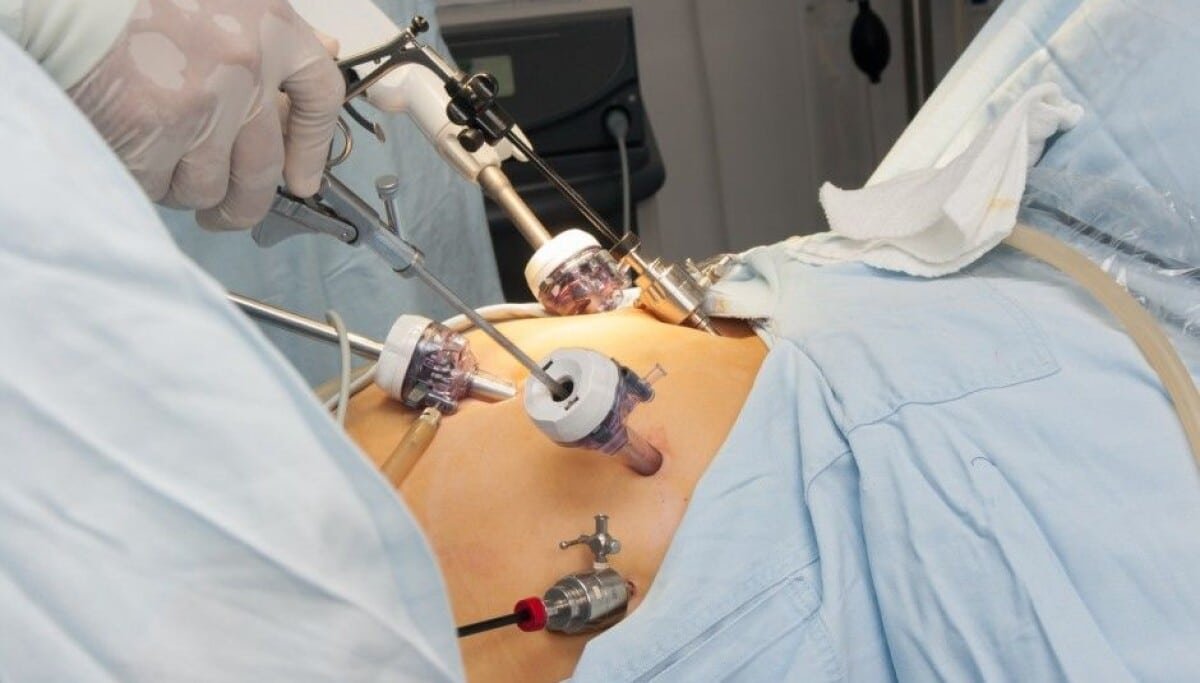
Bariatric surgery refers to weight-loss procedures that alter the digestive system, so patients are able to achieve substantial and sustained weight loss. It may benefit people whose weight is associated with serious health concerns and who have not achieved sufficient results through nonsurgical approaches. Long-term medical guidance and healthy habits support the benefits of surgery over time. Here are some of the impacts of bariatric surgery on long-term health and wellness:
Restore Body Function
Loose skin can affect physical comfort after major weight loss. Skin folds often create friction during movement, and irritation develops in areas where skin repeatedly rubs together. Activities such as exercising or choosing clothing may require adjustments after your body changes. Treatment planning addresses physical concerns as well as changes in body contour.
Maintain Weight Changes
Weight loss after surgery creates a new stage of health management. Your eating habits may change, and regular physical activity becomes part of maintaining the progress achieved after the procedure. Long-term results depend on daily choices, even after substantial weight loss occurs. Follow-up care also helps monitor changes over time.
As your body weight changes, your physical shape changes. Some areas lose volume more quickly than others, while loose skin may become more noticeable after weight reduction. Weight stability gives your body a more consistent starting point for later procedures; maintaining a stable weight helps you and your healthcare team evaluate future treatment options.
Major weight changes after later body contouring procedures may alter the appearance of the treated area. Long-term goals influence your surgeon’s approach, so they evaluate your current health and weight history before developing a surgical plan. Stable habits support a more predictable post-weight-loss journey.
Monitor Nutritional Health
Bariatric surgery changes the shape of your stomach, and some procedures affect how your body absorbs nutrients and calories. Your healthcare team may recommend ongoing nutritional monitoring after surgery. Blood tests and follow-up appointments help identify changes that require attention. Supplements may also become part of your long-term care plan.
Nutrition becomes relevant if you pursue another procedure after significant weight loss. Your surgeon reviews your overall health before body contouring, while your medical history provides information about your readiness for surgery. Adequate nutrition supports normal body functions and recovery. Sharing your bariatric history helps your providers coordinate relevant aspects of your care.
Address Excess Skin
Significant weight loss often creates excess skin that may not contract to match your new body size. After bariatric surgery, doctors provide cosmetic surgeries to remove additional skin. This may lead to improvements in mobility and appearance. A few areas that help patients understand how body contouring fits into the next stage of their weight loss goals include:
- Abdominal procedures remove excess skin and reshape the midsection.
- Arm lifts address loose skin along the upper arms.
- Thigh procedures target excess skin and tissue around the legs.
- A lower body lift removes leftover skin from procedures on the thighs, buttocks, hips, and waist.
Body contouring is separate from the weight-loss procedure itself. A surgeon evaluates your anatomy, health, weight stability, and areas of concern before recommending a treatment plan. Some patients undergo multiple procedures, but others focus on one area that affects their daily comfort or body shape.
Explore Bariatric Surgery
Your health goals may continue to evolve long after you complete your initial weight-loss treatment. Bariatric surgery post-care includes nutritional follow-up, physical activity, and weight management; doctors also monitor changes in your body to make sure you maintain your goals. If excess skin or body contour changes affect your comfort or daily activities, schedule a consultation with a qualified surgeon to discuss your available treatment options.