


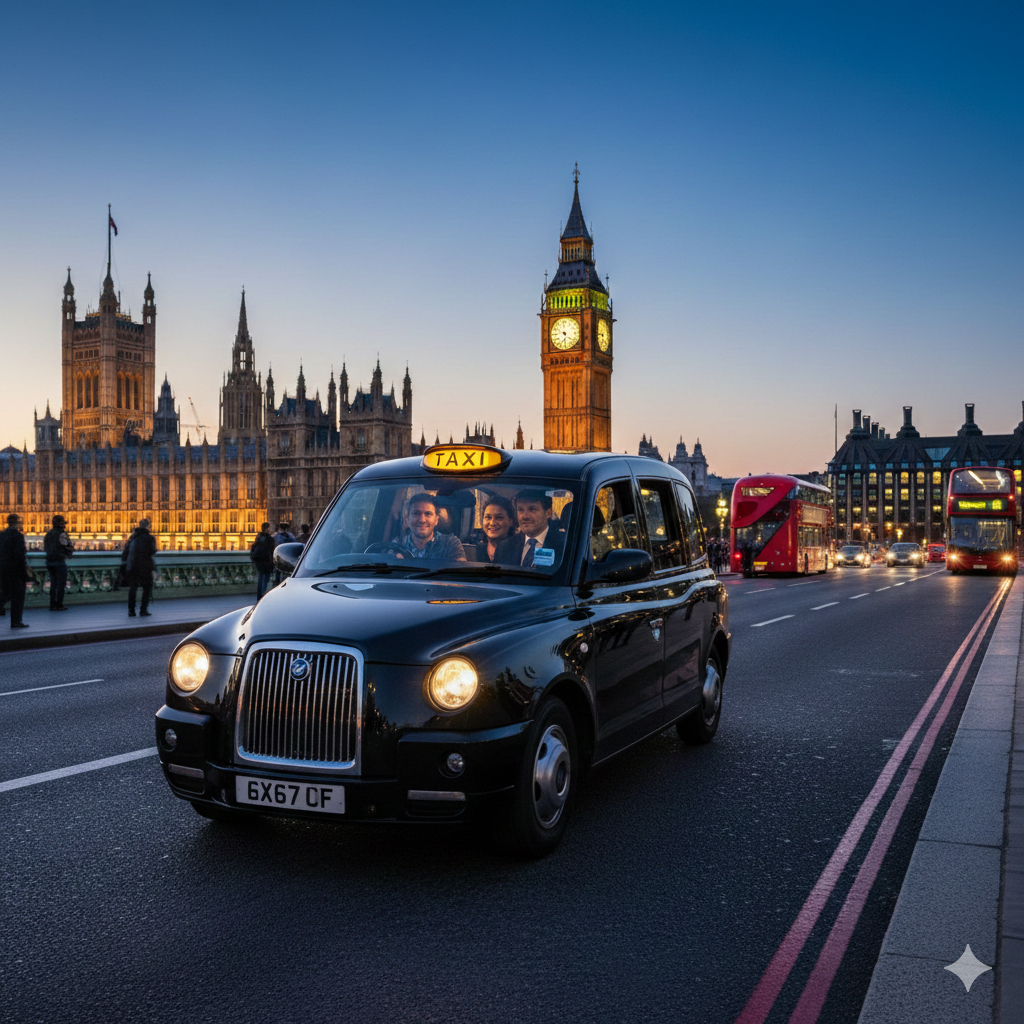
The Black Cab in London is far more than just a means of transportation; it is a global symbol of British heritage, standing alongside the red double-decker bus and the Buckingham Palace guards. Known formally as “Hackney Carriages,” these vehicles have navigated the labyrinthine streets of the capital for centuries, adapting from horse-drawn coaches to state-of-the-art electric machines. For any visitor or resident, understanding the role of the Black Cab in London is essential for navigating the city with ease and appreciating the unparalleled professionalism of the drivers who keep the city moving.
The Historical Evolution of the Black Cab in London
The story of the Black Cab in London begins long before the invention of the internal combustion engine. The term “Hackney” is believed to derive from the French word haquenée, referring to a horse suitable for hire. In the 1600s, wealthy Londoners began renting out their carriages to the public, leading to the establishment of the first regulated taxi ranks.
Booking a black cab with London Black Cab Transfers is simple and convenient. You can call their licensed operators directly to arrange a ride at any time, including late nights and early mornings. For added ease, their online booking system allows you to schedule your journey in advance, ensuring a cab is ready when you need it. All drivers are fully licensed, experienced, and familiar with London’s streets, providing a safe and reliable service for every passenger.
From Horse-Drawn Coaches to Motorized Taxis
By the 19th century, the “Hansom Cab”—a two-wheeled, fast-moving carriage—became the preferred choice for Londoners. However, the true transformation occurred in the early 20th century with the introduction of motorized vehicles. The first petrol-powered Black Cab in London appeared in 1903, quickly replacing the horse and carriage.
Why are They Black?
Interestingly, the Black Cab in London was not always black. Before World War II, taxis came in various colors. After the war, the Austin FX4 became the dominant model. To save on production costs, black was offered as the standard, cheapest factory color. The look became so iconic that it eventually became the tradition we recognize today.
Mastering “The Knowledge”: The World’s Toughest Exam
What sets the Black Cab in London apart from ride-sharing apps like Uber or Bolt is the expertise of the driver. To earn the prestigious “Green Badge,” an aspiring cabbie must pass The Knowledge of London, an examination often cited as the most difficult memory test in the world.
The Scope of the Test
The Knowledge requires students to memorize:
-
25,000 streets within a six-mile radius of Charing Cross.
-
20,000 landmarks, including hospitals, embassies, theaters, and even small “points of interest” like statues or specific pubs.
-
320 standard routes (known as “runs”) that serve as the foundation for navigating the city’s complex geometry.
The Learning Process
Prospective drivers of the Black Cab in London can be seen “pointing” across the city on mopeds, often with a map clipped to their handlebars. This process typically takes between three to four years to complete. By the time they pass, their brains have physically developed a larger posterior hippocampus—the area responsible for spatial navigation—proving that a human driver of a Black Cab in London is a literal living GPS.
Vehicle Specifications and Modern Technology
While the exterior silhouette remains classic, the technology inside a modern Black Cab in London is cutting-edge. As of 2026, the fleet has undergone a massive green revolution to meet the city’s strict air quality standards.
The Transition to Electric (ZEC)
Transport for London (TfL) now mandates that all new taxis must be Zero Emission Capable (ZEC). The LEVC TX is currently the flagship model for the Black Cab in London. These vehicles utilize a battery-electric powertrain with a small petrol “range-extender” to ensure they never run out of power during a shift.
Passenger Comfort and Accessibility
Every official Black Cab in London is designed with the passenger in mind:
-
Accessibility: 100% of the fleet is wheelchair accessible, featuring ramps, swivel seats, and induction loops for the hearing impaired.
-
The Turning Circle: One of the most famous requirements for a Black Cab in London is the 25-foot (7.6m) turning circle. This allows the cab to make a U-turn in the tightest of streets, a design feature originally inspired by the small roundabout at the entrance of the Savoy Hotel.
-
Modern Perks: Most cabs now offer Wi-Fi, USB charging ports, and panoramic glass roofs for sightseeing.
How to Hail and Pay for a Black Cab in London
Navigating the rules of engagement for a Black Cab in London is straightforward once you know what to look for. Unlike private hire vehicles (minicabs), which must be pre-booked, a Black Cab can be “hailed” directly from the pavement.
Spotting an Available Cab
If the yellow “TAXI” sign on the roof is illuminated, the driver is available for hire. Simply extend your arm to signal the driver. You can also find them at designated “Taxi Ranks” located near major train stations, hotels, and shopping districts.
Understanding the Fare System
The fare for a Black Cab in London is determined by a calibrated taximeter, which calculates the cost based on time and distance. These rates are strictly regulated by TfL, meaning there is no “surge pricing” during peak hours. As of recent updates in 2026, all drivers are required to accept contactless and card payments, though cash is still widely accepted.
Black Cabs vs. Private Hire: Knowing the Difference
It is important to distinguish between the Black Cab in London and private hire vehicles (PHVs). While both serve the public, their legal rights and requirements differ significantly.
| Feature | Black Cab (Hackney Carriage) | Private Hire (Uber/Minicabs) |
| Hailing | Can be hailed on the street | Must be pre-booked via app/phone |
| Driver Training | The Knowledge (3-4 years) | Basic licensing & GPS reliance |
| Pricing | Regulated Meter (No Surges) | Dynamic/Fixed (Surge Pricing) |
| Bus Lanes | Allowed in most London bus lanes | Generally prohibited |
| Accessibility | 100% Wheelchair Accessible | Varies by vehicle |
The ability to use bus lanes gives the Black Cab in London a significant advantage during rush hour, often making them the fastest way to traverse the city center compared to private cars or PHVs.
The Future of the Black Cab in London
As we look further into 2026 and beyond, the Black Cab in London faces a landscape of rapid change. The rise of autonomous “robotaxis” and the continued expansion of the Ultra Low Emission Zone (ULEZ) present both challenges and opportunities.
Despite the competition, the human element remains the greatest strength of the Black Cab in London. In an era of AI and automation, the safety, reliability, and local wisdom of a licensed cabbie provide a level of service that an algorithm cannot replicate. The Mayor of London’s commitment to a zero-emission fleet by 2033 ensures that this icon will continue to evolve while remaining a sustainable pillar of the city’s infrastructure.
Conclusion
The Black Cab in London is an institution built on centuries of tradition and a relentless commitment to excellence. From the grueling years spent mastering “The Knowledge” to the adoption of zero-emission technology, the industry has proven its resilience time and again. Whether you are a business traveler needing a quick route through the City or a tourist wanting a safe, accessible ride to a museum, the Black Cab in London remains the gold standard of urban transport. By choosing a Black Cab, you aren’t just getting a ride; you are supporting a historic trade and ensuring that one of London’s most beloved icons continues to thrive on the world stage.
Frequently Asked Questions
1. Can I book a Black Cab in London in advance?
Yes. While they are famous for street hailing, you can book a Black Cab in London using apps like Gett or Free Now, or by calling a traditional radio taxi circuit.
2. How many passengers can fit in a Black Cab in London?
Most modern models, like the LEVC TX and the Mercedes-Benz Vito, can legally carry up to six passengers (three on the back bench and three on the fold-down seats).
3. Are Black Cabs in London safe for solo travelers?
Absolutely. Drivers of a Black Cab in London undergo enhanced DBS (Disclosure and Barring Service) checks and are strictly licensed by Transport for London. They are widely considered one of the safest forms of transport in the city.
4. Do I need to tip my driver in a Black Cab in London?
Tipping is not mandatory, but it is customary to “round up” to the nearest pound or leave a tip of around 10-15% for excellent service or help with luggage.
5. Why did the driver refuse to take me to a specific destination?
A driver of a Black Cab in London is legally required to accept any journey up to 12 miles (20 miles if starting at Heathrow Airport) as long as the destination is within the Greater London Authority area. They can only refuse if they have a reasonable excuse, such as the end of their shift or safety concerns.
