


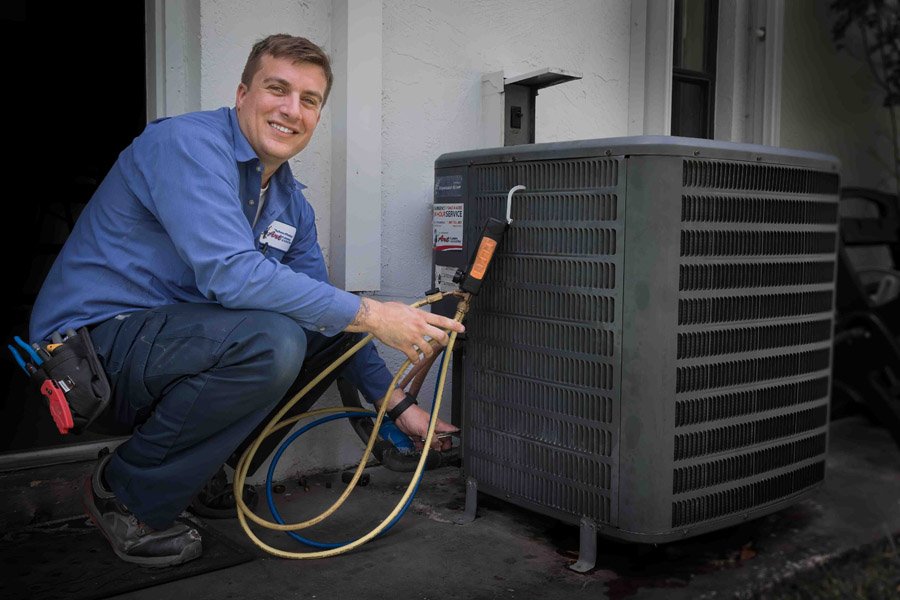
Residential heating systems provide the consistent warmth needed during the cold winter months. These systems regulate temperature and airflow to support a stable environment in residential properties. Having a good understanding of modern HVAC systems can help you make informed decisions about your heating needs. Here are some things you need to know about residential heating services as a homeowner:
1. Understand the Service Scope
Residential heating services encompass a wide range of distinct technical tasks. These include the initial installation of equipment, routine maintenance, repairs, and replacements. Routine maintenance involves regular inspections to verify that every component operates properly. Repairs address specific mechanical failures that occur during the standard life of a system. Full replacements become necessary when a unit no longer meets the heating demands of the household.
When you understand the differences between these service categories, you are able to communicate your needs clearly with technicians. Standard services involve scheduled inspections to verify that every component operates correctly. During these appointments, technicians examine different components, including the blower motor, ignition system, and thermostat calibration. Providers offer around-the-clock emergency services to address urgent mechanical issues immediately, preventing the interior temperature from dropping to dangerous levels.
2. Select the Right System
There are different types of heating units to choose from, depending on your personal preference and heating needs. The most common heating systems are furnaces and heat pumps. Forced-air furnaces distribute warmth through a network of ducts and vents. Heat pumps provide an alternative by moving heat rather than generating it through combustion; they offer heating and cooling in a single unit. Ductless mini-split systems offer targeted temperature control for specific rooms or additions.
The design and layout of a house dictate which system functions most effectively. Large homes with existing ductwork often benefit from central furnace or heat pump configurations. These setups provide uniform warmth across multiple floors and large open spaces. Smaller residences might require the flexibility of wall-mounted ductless units. Other physical constraints to evaluate when selecting a unit include your home’s insulation and cubic footage.
Heating systems use different energy sources, such as natural gas, oil, or electricity. When choosing a unit for your home, it’s necessary to evaluate which utilities are available and practical for your property. Identifying the available fuel source is one of several factors to look at when selecting new equipment. Advances in technology help improve efficiency and reduce noise levels in many systems, though performance can vary by model and energy type.
3. Follow Proper Installation Practices
Professional installation integrates equipment capacity with the architectural layout of a home. Technicians calculate the heating load by assessing the home’s size, insulation, and structural features. This technical analysis identifies the appropriate unit size to prevent short-cycling and guides placement for consistent heating. Oversight throughout the process connects system design with real-world conditions of the property. Periodic evaluations allow professionals to monitor system performance and make adjustments as the equipment ages.
4. Monitor System Performance
When it comes to monitoring your heating system, look for changes in its performance. These changes are influenced by elements such as daily use, temperature shifts, and environmental conditions. You may notice these changes through slight variations in air temperature or longer cycle times.
Consistent monitoring helps identify the exact moment when a system moves from reliable to inefficient. Part of monitoring includes regular intervention to protect the internal mechanics from premature wear and environmental buildup. Replacing air filters regularly maintains the necessary pressure balance within the ductwork and prevents dust from coating the heat exchanger, reducing thermal transfer.
Hire Reliable Residential Heating Services
Efficient heating systems rely on more than just the mechanical unit to maintain a consistent environment. Integrating advanced thermostats and smart sensors allows for precise thermal management across different parts of your home. These modern tools provide real-time data on how a residence retains warmth during extreme temperature shifts. Reach out to a local heating specialist today to schedule a comprehensive evaluation of your home’s heating needs.
