


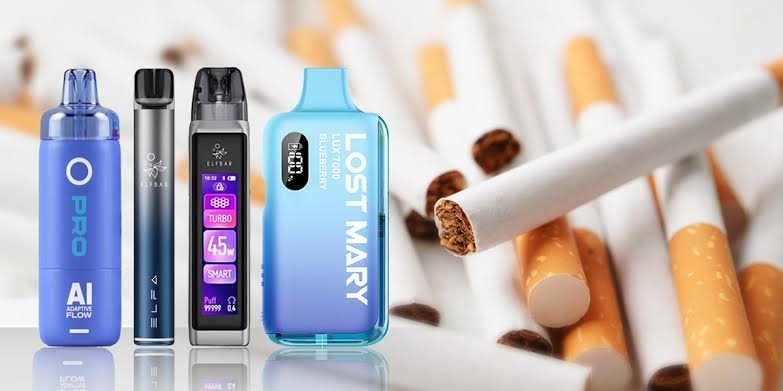
Smoking accessories have changed considerably over the years, but traditional smoking pipes and modern vaping devices remain popular choices for different reasons. While both are designed around inhaling an aerosol or smoke produced from a material, their construction, operation, maintenance, and overall experience can be very different. Understanding these differences can help people make more informed decisions about the type of device or accessory that fits their preferences.
A traditional pipe has a relatively simple design that has existed in various forms for centuries. Vapes, on the other hand, rely on batteries, heating elements, and specialized chambers to produce vapor. For people exploring different options, it can be useful to understand how each category works and what makes one design different from another. Resources such as Carrycipher can also help readers explore the broader world of smoking pipes and vape-related accessories.
Understanding Traditional Smoking Pipes
Smoking pipes are among the oldest forms of smoking equipment. Their basic construction generally includes a bowl where the smoking material is placed and a stem through which smoke travels before reaching the mouthpiece.
Although the basic principle is straightforward, pipes can vary significantly in appearance and construction. Some are designed for simplicity, while others feature detailed craftsmanship and decorative elements.
Common Pipe Materials
Different materials can influence the appearance, durability, and maintenance requirements of a smoking pipe. Common materials include:
Briar wood: A traditional material known for its durability and heat resistance.
Corn cob: Lightweight and generally associated with simple, inexpensive pipe designs.
Meerschaum: A mineral material valued for its ability to absorb moisture and develop distinctive coloration over time.
Glass: Often chosen for its smooth surface and ease of cleaning.
Metal: Used in some modern pipe designs because of its strength and resistance to breakage.
The material is not merely an aesthetic choice. It can affect how a pipe handles heat, how easy it is to maintain, and how long the accessory may remain usable.
How Smoking Pipes Work
The operating principle of a conventional smoking pipe is relatively simple. Smoking material is placed inside the bowl and ignited. Smoke then moves through the pipe’s internal passage before reaching the mouthpiece.
The stem and airway are important because they influence how smoke travels through the device. Moisture and residue can accumulate inside the airway over time, which is why regular cleaning is important for maintaining the pipe.
Pipe users often pay attention to the shape of the bowl, the length of the stem, and the overall construction. These details can affect handling, heat distribution, and maintenance.
Pipe Shapes and Designs
Smoking pipes are available in many different shapes. Some have short, compact stems, while others feature longer stems and more pronounced curves.
Popular design characteristics include:
Straight stems
Curved stems
Compact bowls
Large bowls
Rounded shapes
Angular or modern profiles
The choice is often based on personal preference, appearance, portability, and how the pipe feels when handled.
What Are Vapes?
Vapes, commonly called vaping devices or electronic cigarettes depending on the specific product, use a different mechanism from traditional smoking pipes. Instead of directly burning the material, many vaping devices use a battery-powered heating element.
The heating element warms a liquid or other compatible material to create an aerosol. This aerosol is then inhaled through the mouthpiece.
A typical vaping device may contain several important components:
Battery: Provides power to the heating system.
Heating coil: Generates the heat required to produce aerosol.
Tank or cartridge: Holds the material being heated.
Mouthpiece: Provides the point from which the aerosol is inhaled.
Control system: Some devices include buttons, sensors, or digital controls.
The exact design depends on the type of vape. Disposable devices, pod systems, and larger refillable devices can have considerably different structures.
Different Types of Vaping Devices
The vaping market includes several broad categories, each with its own construction and operating characteristics.
Disposable Vapes
Disposable vapes are generally compact and designed for limited use. They typically come pre-filled and contain an integrated battery and heating system.
Their small size makes them convenient to carry, although their single-use design creates additional waste compared with reusable devices.
Pod Systems
Pod systems are smaller reusable devices that use replaceable or refillable pods. Their compact construction makes them different from larger vape devices while still allowing users to maintain certain components.
Depending on the model, pods may be pre-filled or designed to be filled with compatible liquids.
Box-Style Devices
Larger vape devices may include adjustable settings, larger batteries, and more substantial tanks. Some allow users to modify power levels or other operating parameters.
These devices usually have more components and may require greater attention to maintenance than simple compact systems.
Smoking Pipes vs. Vapes
Although smoking pipes and vapes can both be categorized as smoking-related accessories, their underlying technologies are quite different.
A traditional pipe relies on combustion, while a vape generally relies on an electrically powered heating element. This fundamental distinction affects the device’s construction, maintenance, and operation.
Neither category should be treated as automatically risk-free. Inhaled smoke and aerosols can contain substances that may be harmful, and nicotine-containing products can cause dependence.
Materials and Build Quality Matter
The quality of materials used in smoking accessories can affect durability and maintenance. For traditional pipes, the bowl and airway should be examined for cracks, uneven construction, or other visible defects.
For electronic devices, build quality is particularly important because batteries and electrical components are involved.
Users should look for devices that have clearly identified components and appropriate safety information. Damaged batteries, leaking cartridges, or malfunctioning heating elements should not be ignored.
Why Maintenance Is Important
Regular maintenance can help preserve the condition of a smoking accessory. Traditional pipes may require cleaning to remove accumulated residue, while reusable vape devices can require cleaning around the tank, pod connection, or mouthpiece.
Basic maintenance can include:
Removing visible residue.
Keeping mouthpieces clean.
Inspecting components for damage.
Following the manufacturer’s cleaning instructions.
Replacing worn or damaged parts when appropriate.
Keeping electronic devices away from excessive heat and moisture.
Maintenance requirements vary significantly between products, so users should always follow the instructions provided for their specific device.
Portability and Storage Considerations
Portability is another important difference between pipes and vapes. A small traditional pipe may be easy to carry, but it may also require additional accessories for cleaning and storage.
Many modern vapes are designed with portability in mind. Compact pod systems can fit easily into a pocket or small bag, while larger devices may require more space.
Proper storage is particularly important for electronic devices. Batteries should be protected from extreme temperatures, moisture, and physical damage. Devices should also be kept away from children and pets.
Choosing Based on Design and Practicality
People considering smoking accessories may focus on several practical factors rather than appearance alone.
Consider Maintenance
Traditional pipes and reusable vaping devices both require maintenance, but the type of maintenance is different. A pipe generally requires cleaning the airway and bowl, whereas a vape may require charging, cartridge replacement, and cleaning of electronic components.
Consider Durability
A well-made traditional pipe can potentially last for years when properly maintained. Electronic devices may have a more limited lifespan because batteries and other components eventually wear out.
Consider Portability
Those who prioritize compact equipment may prefer smaller designs. However, portability should not be the only consideration. Storage, durability, maintenance, and safe handling are also important.
Consider Materials
Understanding what a product is made from can help users assess its construction and maintenance requirements. This is particularly relevant when comparing wood, glass, metal, plastic, and electronic components.
Safety and Responsible Use
Smoking and vaping are not risk-free activities. Tobacco smoke contains numerous harmful chemicals, while vaping aerosols can also expose users to substances that may affect health. Nicotine can lead to dependence, and people who do not already use nicotine should avoid starting.
Electronic devices also require attention to battery safety. A damaged or improperly handled battery can create serious hazards. Users should follow product instructions and discontinue use if a device becomes unusually hot, damaged, or otherwise appears unsafe.
People who are trying to quit smoking may benefit from speaking with a qualified healthcare professional about evidence-based cessation options rather than assuming that switching between products eliminates health risks.
The Evolution of Smoking Accessories
Smoking accessories continue to evolve as manufacturing technologies change. Traditional pipe makers may focus on craftsmanship, natural materials, and distinctive shapes, while modern manufacturers often incorporate electronics, rechargeable batteries, digital controls, and compact designs.
This evolution has created a broad range of products with very different characteristics. Some emphasize simplicity, while others prioritize portability or technological features.
Understanding how these categories developed makes it easier to distinguish between products based on their actual construction rather than marketing claims.
Conclusion
Smoking pipes and vapes represent two very different approaches to smoking-related accessories. Traditional pipes use combustion and often emphasize craftsmanship, materials, and simple mechanical construction, while vaping devices use electronic heating systems and can include batteries, cartridges, coils, and adjustable controls. Understanding these differences is useful when comparing designs, maintenance requirements, portability, and safety considerations. For readers interested in learning more about the broader range of smoking pipes and vaping accessories, Carrycipher provides a relevant point of reference for exploring this category.
FAQs
1. What is the main difference between a smoking pipe and a vape?
The primary difference is how each produces the inhaled substance. A traditional smoking pipe generally uses combustion, meaning the material is burned to create smoke. A vape typically uses an electrically powered heating element to create an aerosol. Their construction, maintenance, power requirements, and safety considerations are therefore quite different.
2. What materials are commonly used to make smoking pipes?
Smoking pipes can be made from several materials, including briar wood, corn cob, meerschaum, glass, and metal. Each material has different characteristics related to durability, heat resistance, appearance, and maintenance. The construction and intended use of a particular pipe should be considered when evaluating its material.
3. Do vaping devices require maintenance?
Many reusable vaping devices require regular maintenance. Depending on the design, this can include cleaning the mouthpiece, checking connections, replacing pods or coils, and keeping the device free from excess residue. Users should always follow the specific maintenance instructions supplied with their device.
4. Are smoking pipes and vapes risk-free?
No. Neither traditional smoking nor vaping should be considered risk-free. Tobacco smoke contains harmful substances, while vaping aerosols may also contain potentially harmful chemicals. Nicotine-containing products can cause dependence. Anyone concerned about smoking or vaping risks should consider discussing their situation with a qualified healthcare professional.
5. What should users consider when selecting a smoking accessory?
Important considerations include construction quality, materials, maintenance requirements, portability, durability, and safe storage. For electronic devices, battery condition and proper handling are especially important. Buyers should also understand what substance a product is designed for and carefully follow the manufacturer’s instructions before using any smoking-related accessory.