


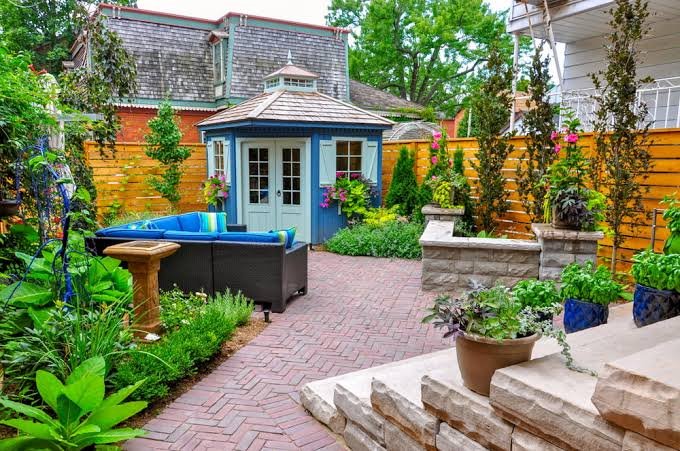
Hardscaping encompasses the non-living, structural elements incorporated into an outdoor space. It often differs from landscaping, which uses living elements such as plants, trees, and grass. Hardscaping includes features like walkways and other constructed surfaces. Knowledge of how these elements work together can help you plan a yard renovation or develop a layout for a new property. Here are a few of the things to know about hardscaping:
1. Assessing Size and Requirements
The initial consultation lets your contractor assess the property and gather key information. They may measure the yard boundaries, examine the soil, and locate existing underground utilities. Accurate site measurements provide a practical basis for planning the hardscaping design. This process also helps the contractors identify structural requirements, such as retaining walls for sloped areas.
Local regulations often establish setbacks from property lines and limits on impermeable surfaces. Homeowners’ association rules also address the materials, height, and color of certain hardscape features. Reviewing these requirements early helps limit design changes during the project. Your contractor should identify applicable restrictions during the initial site assessment and incorporate them into the project plans.
Local weather conditions influence material selection and site preparation for a hardscape project. Properties in areas with frequent or heavy rainfall require drainage planning that directs water away from structures and other vulnerable areas. Sun exposure also affects the performance and comfort of outdoor features. Dark stone surfaces in direct afternoon sunlight absorb heat and become warmer to the touch during hot weather.
2. Blending Beauty and Function
Hardscape features often support your daily activities while aligning with the property’s design. A retaining wall could help reduce erosion while also adding the appearance of an outdoor area. Some retaining walls include features such as built-in seating or serve as a backdrop for plants and other decorative elements. Fire and lighting features also combine practical functions with visual appeal. A built-in fire pit may provide a gathering point during cooler evenings, while adding a distinct feature to the outdoor space. They support outdoor activities while complementing the surrounding vegetation and natural features.
3. Installing Patios and Walkways
Patios often serve as outdoor living areas, so they require a level, stable base that supports the finished surface. Construction typically begins with excavation to remove unstable topsoil and reach a firm subgrade. The crew then places and compacts layers of crushed gravel to create a dense foundation for the patio material.
Proper grading directs surface water away from the house and reduces the potential for drainage problems near the foundation. Patio layouts also benefit from planning around how the space will be used. A dining area near the kitchen provides a convenient setting for outdoor meals, while a larger open section accommodates seating, a grill, or a fire feature without crowding the walking area.
Walkways connect different areas of a property and establish clear routes between frequently used spaces. A path between the driveway and front door provides a practical entry route, while another walkway links the patio to a garden, pool, or detached structure. Straight paths create a direct, formal appearance; curved routes follow planting beds or other landscape features for a softer design. The walkway width should also reflect its intended use, particularly when people need to pass each other or move outdoor furniture along the path. Material selection helps tie the walkway into the surrounding landscape, with options such as concrete pavers, natural stone, and brick offering distinct textures and visual patterns.
Explore Hardscaping Services
Hardscape projects often involve site assessment and design development before construction begins. Professionals also provide information on how to maintain your hardscape. Book a consultation with a professional company to learn how hardscaping can improve your outdoor space.