


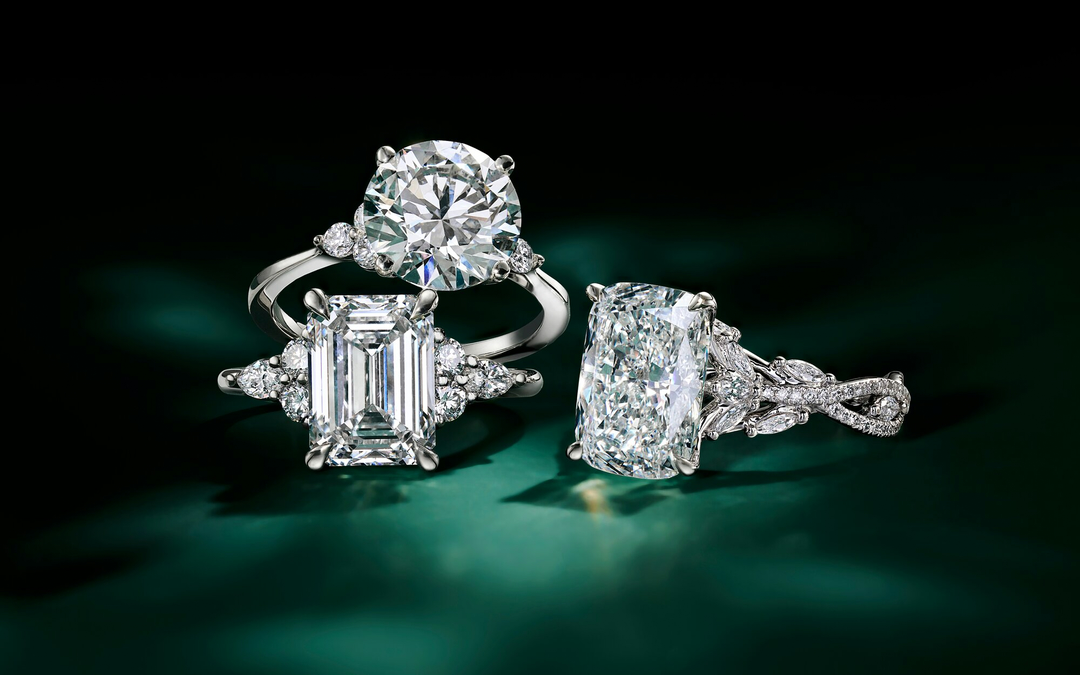
An engagement ring setting determines how the center stone sits and how the finished ring appears on the hand. Stone shape, metal type, and setting style also affect the ring’s proportions and overall look. Different combinations suit different preferences, so comparing these details helps narrow the available choices. Here are practical ways to choose engagement rings that suit your preferred style:
Compare Ring Settings
An engagement ring setting holds the center stone and determines its position. Solitaire settings focus on a single center stone, while multi-stone designs add surrounding details, either with diamonds or other gems. The structure also affects how high the ring sits above the finger.
Bridal sets match the wedding band, while complete engagement rings focus on the center piece. A higher setting gives the center stone greater prominence, and a lower profile sits closer to the finger. Setting details also affect cleaning and maintenance, particularly around smaller accent stones.
Different setting structures create distinct visual results, so browsing several styles helps clarify personal preferences. Some designs emphasize the center stone, while others distribute attention across multiple stones. The bridal assortment lets you compare these differences in a single selection.
Select Metal Types
The metal you choose influences the overall look of the center stone and setting. White gold and platinum offer a cooler appearance, while yellow and rose gold create warmer tones. Two-tone designs bring the two together for added contrast. The selection also lets you coordinate the engagement ring with jewelry you wear regularly.
Review Designer Collections
Designer collections provide different approaches to engagement ring styling. Some lines emphasize traditional silhouettes, while others use detailed settings or modern shapes. Comparing several collections helps narrow the design direction before selecting a specific setting.
Branded lines also provide different approaches to stone placement and decorative details. A shopper interested in a classic solitaire can compare it with more elaborate designs from another collection. This comparison makes it easier to identify which setting details suit the preferred style.
Match Stone Shapes
The engagement ring shape changes the proportions and visual appeal of the ring. Round and oval stones create a different outline, while pear and emerald stones offer a more distinctive profile that is more pronounced. Cushion, princess, and radiant shapes offer additional design options.
The initial setting determines how each shape appears once mounted. The proportions of an elongated oval or pear stone are different from those of a round center stone. Side stones and accent details can complement the shape when placed along the outline of the center stone.
Use Custom Design
Custom design offers an option when available rings don’t combine the preferred details in one piece. A custom ring can combine a selected setting, stone shape, and metal type in one design. This approach also suits existing stones that need a different setting or remount.
Restoration and repair experience provides a useful context when developing a new ring around an existing stone. The stone’s condition and setting affect which design changes are practical. Custom work connects style preferences with the jewelry’s physical requirements.
Choose Engagement Rings With Purpose
Each structure, stone shape, metal, and designer collection adds its own unique flavor to the ring. If you want a combination of features, you can create a custom design. Comparing these elements helps guide the selection process. Consult a professional jeweler for advice and ideas about engagement rings and to create the style that you want.