


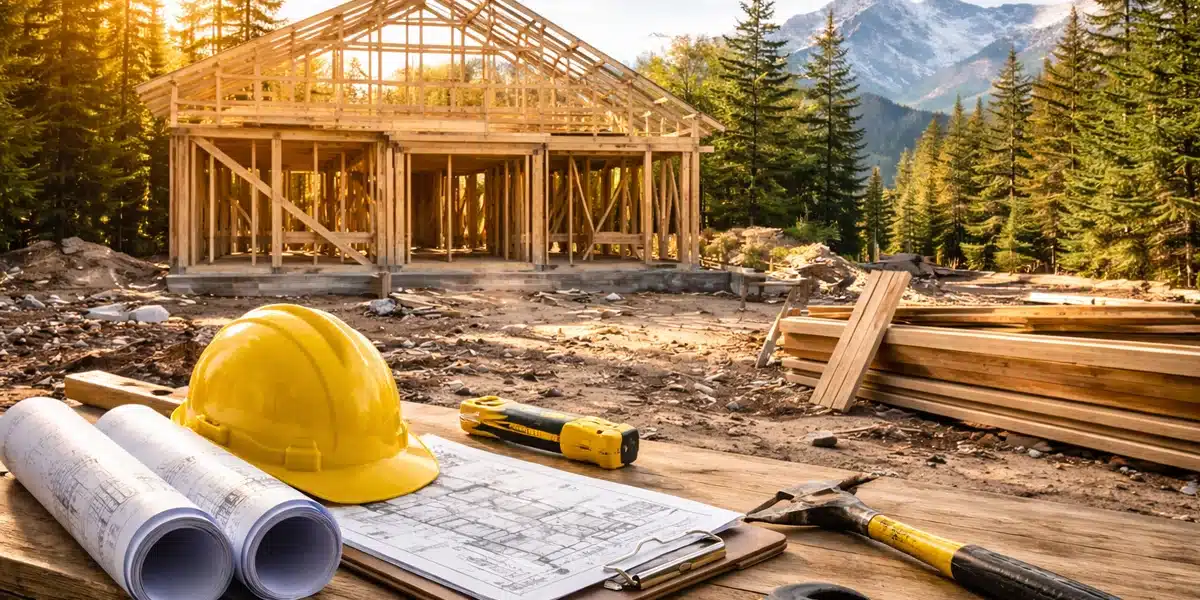
Creating a custom home lets individuals tailor every element, from the flooring and walls to the lighting and cabinetry. Working with a home builder helps simplify this process; you can make design decisions while the builder navigates permits and contractor work. Here is more information about the process of building a home:
Determine Your Goals
The first step in the home-building process involves choosing what you want your space to accomplish; you should evaluate how you live and what you need from your space. A family that frequently hosts extended family or friends may prioritize an open kitchen, large dining area, and guest rooms. A couple who wants to stay in their home for decades should focus on accessible layouts and flexible rooms that are able to change as needs evolve. Working with a home builder allows homeowners to establish a clear vision that guides decisions throughout the rest of the project.
Evaluate the Property
The property itself plays a key role in the home design. When designing a home on a waterfront lot, account for the views, privacy, and site conditions. The lot’s shape and slope also affect the home’s layout and construction requirements. Other factors include existing structures in the area, access points, and natural features like trees or water drainage paths.
A sloped property requires different foundation strategies than a flat lot, and waterfront properties require evaluating drainage, access, and grading. Site evaluations help identify these conditions early. During this stage, builders also review:
- How the home is positioned on the property
- Which rooms capture key views
- Where driveways, garages, and patios should go
- How existing trees or landscape features should be incorporated
- Whether site conditions will affect the construction timeline
Plan Your Project
Once your vision and property are evaluated, the detailed planning phase starts. This stage connects ideas with practical decisions about costs, materials, scheduling, and more. A well-developed plan helps homeowners understand potential challenges before major construction begins.
Selecting custom kitchen cabinetry, adding large specialty windows, or integrating complex architectural details affects labor and material requirements. Builders discuss these with the homeowner to help them make more informed decisions. Homeowners compare flooring materials, countertops, lighting, and other details; they also factor in aesthetics and durability when making selections.
Coordinate Design and Construction
The construction phase incorporates all design elements and turns them into a finished home. Building a custom home involves numerous materials, deliveries, and inspections, so keeping those moving parts coordinated is key. Home builders oversee every aspect of the construction process, from framing and material handling to installation and quality finishes.
A builder also makes sure the different project parts work together; framing, electrical, plumbing, HVAC, and other elements need to be completed in order. If one area falls behind, it can affect other aspects of the build. An experienced builder coordinates schedules and addresses issues before they lead to delays.
For homeowners, a dedicated builder also means someone oversees the details of managing multiple contractors. The builder works with architects, suppliers, and subcontractors as needed. They also help with decisions that arise during the project, such as selecting an alternative material when a product is unavailable or helping determine how a particular element should be installed. This hands-on coordination keeps the project organized from start to finish. It also verifies that the finished home reflects the original design and your expectations.
Collaborate With Home Builders Today
Work with qualified home builders if you are planning a new construction. Some builders also help with home renovations; they can add structural additions while confirming the updates follow local code requirements. Start your search for a reliable home building company today.