


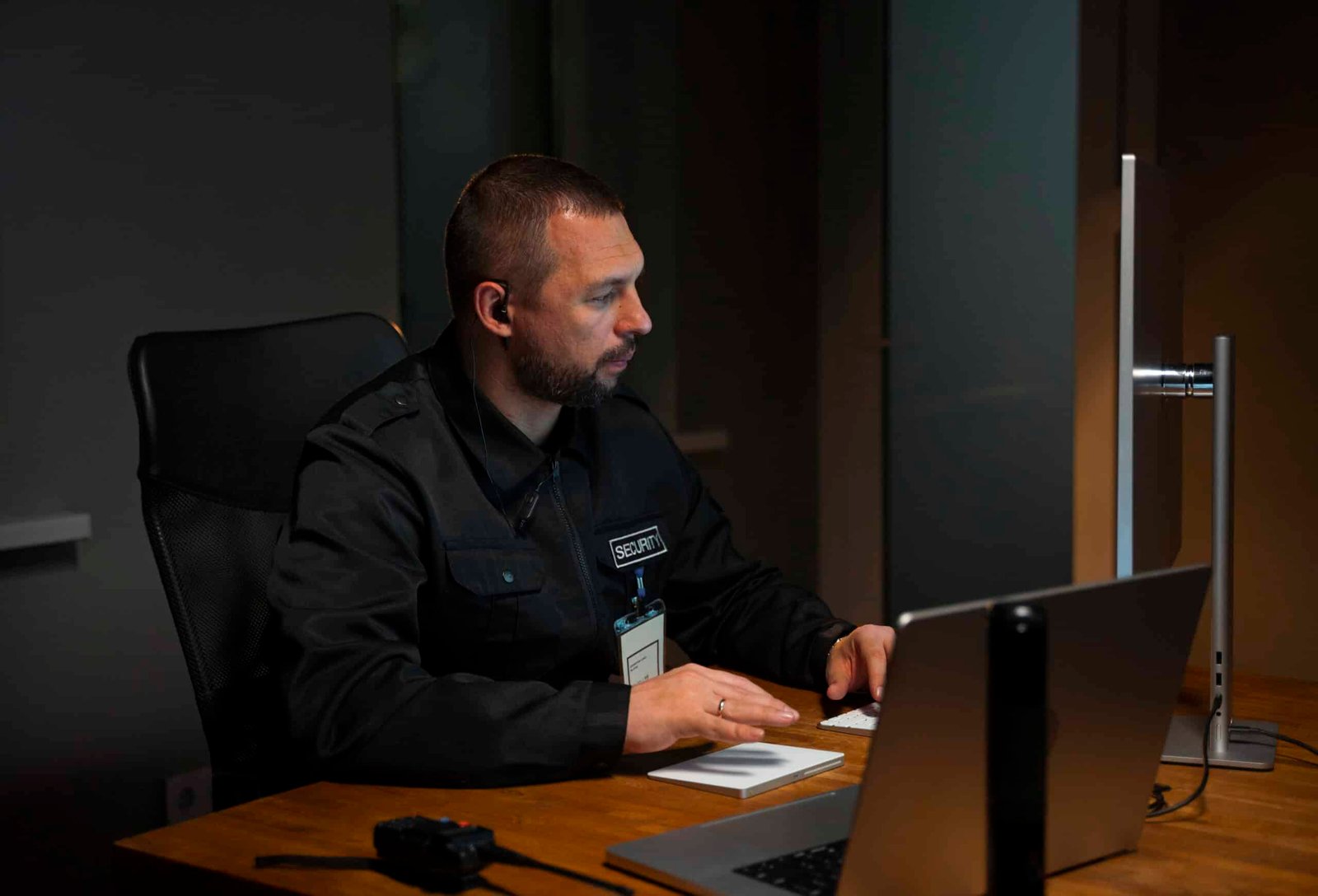
Residential security begins by identifying what needs protection, where officers need to be present, and how long coverage must be provided. These requirements determine whether private security relies on recurring patrol visits or continuous, on-property officer coverage. Officer duties define the work performed on the property, while legal authority determines what actions officers are permitted to take. Here is how to choose the right private security solutions for residential areas:
Assess Your Residential Security Needs
Residential security begins by defining what needs protection and where officer coverage is required. Services may focus on individual residences or neighborhoods, while tailored security programs help protect property, personnel, and other assets. Identify the residence or property requiring coverage, along with the personnel and assets included in the assignment.
The required officer presence needs to match the property’s circumstances. Determine how long private security coverage is needed, the frequency of officer visits, and whether coverage is required because the occupants will be temporarily absent. When a property is left unattended, establish how often officers must check the property and for how long. These requirements define the necessary level of coverage, and they should be established before selecting a specific security service.
Compare Mobile and Stationary Patrols
Mobile patrol uses marked police vehicles to conduct scheduled checks of residences or neighborhoods. The service specifies the number of visits required each day, and officers perform defined property checks during each visit. These checks include inspecting doors and windows, verifying that the property remains secure, removing trespassers, and investigating suspicious vehicles or activity. Because officers leave after completing each visit, coverage is limited to the scheduled patrol periods. Stationary police assigns an officer to remain on the property for the contracted period; this provides a continuous security presence rather than separate patrol visits. Assigned duties include loss prevention and fire watches, while the service agreement defines any additional responsibilities. The officer remains at the location throughout the assigned period and performs the duties specified for that property.
Verify Officer Training and Authority
Officer training and legal authority define the duties officers perform during a residential security assignment. Officers assigned to these services are trained law enforcement officers who meet applicable certification requirements. Their preparation includes basic law enforcement training, certification eligibility, and instruction required for their assigned responsibilities.
The selection process also reviews background history and physical qualifications. Jurisdiction determines where an officer may exercise legal authority. Residential assignments limit that authority to private property covered by a contract with the property owner or person who controls the property.
When officers encounter illegal activity within their jurisdiction, they address it through actions authorized by law, including citations or arrests when the circumstances warrant. Their role is separate from that of the local police department; they do not replace, augment, or operate as the local police force. Officers also receive in-service training in firearms and defensive tactics from state-certified instructors. Their duty equipment includes sidearms, OC spray, and impact weapons.
Hire Private Security Services
Residential properties require security coverage based on their specific conditions, security needs, and periods of absence. Professional residential security services provide several coverage options for private properties, including scheduled patrols and continuous officer presence. Property owners can request a tailored security package when the assignment requires protection for a specific property, personnel, or other assets. Contact a private security team to learn more about their services.