


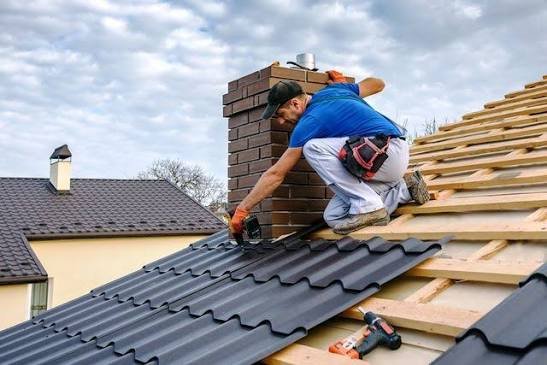
Roof repair addresses damage caused by structural deterioration, weather, and aging roofing materials. Because storm-related damage often affects roofing components beneath the surface, a professional inspection identifies areas requiring targeted repair. Professional repair teams document damaged roofing components, and they determine whether repair or replacement better addresses existing conditions. Here is how to prepare for a roof repair project:
Schedule Roof Inspection
A professional inspection establishes the overall condition of the roof before any repair project begins. Roofing professionals inspect existing roof installations and identify issues that require attention. Professional assessments also identify roofing problems that are not easily visible during casual observation, such as flashing damage. The inspection process evaluates roofing components that affect overall roof performance.
Roofing professionals examine shingles, flashing, vents, and gutters to identify damage or deterioration. The assessment documents areas requiring roof repair while identifying sections that remain in good condition. Inspection findings also reveal issues that could worsen if they are not addressed during the repair project. Scheduling an inspection before repair work begins provides a clearer understanding of roofing conditions.
Identify Storm Damage Issues
Severe weather can cause various types of roofing damage. Because hail impacts damage shingle surfaces, they weaken the roof’s ability to resist water intrusion. Wind often affects exposed roof sections, and roof edges and corners frequently experience the greatest stress. Although storm damage may appear limited from ground level, it can affect roof performance, and professional assessments help identify the full extent of the damage.
A roof repair project benefits from identifying the type of damage before corrective work begins. Storm-related deterioration often progresses after the weather event ends, and delayed repairs might allow damage to spread. Hail strikes create bruised or cracked areas that continue to deteriorate as roofing materials undergo seasonal expansion and contraction. Wind damage frequently loosens shingles and exposes underlying components to moisture intrusion.
Once protective layers are compromised, water infiltrates areas not originally affected by the storm. Structural deterioration accelerates when moisture repeatedly enters vulnerable sections of the roof assembly. Early identification helps prevent isolated damage from affecting adjacent components, and it supports a roof repair plan that addresses all weather-related issues.
Document Visible Roof Problems
Signs of structural deterioration that are visible from the ground warrant proper documentation. Missing, cracked, or curling shingles indicate roof repair needs that documentation captures accurately. Documenting observations such as missing shingles, visible storm damage, and water stains helps inform repair planning. Note specific locations of problems using roof features as reference points for repair teams. Visible problems documented by homeowners complement professional inspection findings for a complete assessment.
Clear Access to Your Roof
Unobstructed access around the home perimeter helps repair work proceed efficiently. Roof repair teams require ample space for movement, equipment placement, and material handling throughout the project. Preparing exterior areas before work begins reduces delays. Access routes around the structure should remain clear so crews can reach work zones without navigating unnecessary obstacles.
When work remains unobstructed, repair activities proceed more efficiently because crews spend less time adjusting equipment placement. Site preparation also helps protect surrounding property from unintended contact during material movement and equipment operation.
Evaluate Metal Roofing
Metal roofing is available for residential and commercial properties. It serves as a protective covering that enhances roofing performance by withstanding harsh weather conditions. Professional roofing services include metal roofing installation. Roofing specialists install these systems on a variety of structures. Its weather-resistant design supports continued exposure to outdoor conditions.
Hire a Roof Repair Company
Preparing for a repair project requires a thorough understanding of existing conditions and repair needs. Professional roofing teams assess roofing systems, and their inspection findings identify issues that require repair or replacement. Because repair requirements vary by property, inspection results help define the project scope and support informed roofing decisions. Contact professional roofing contractors to evaluate repair needs.