


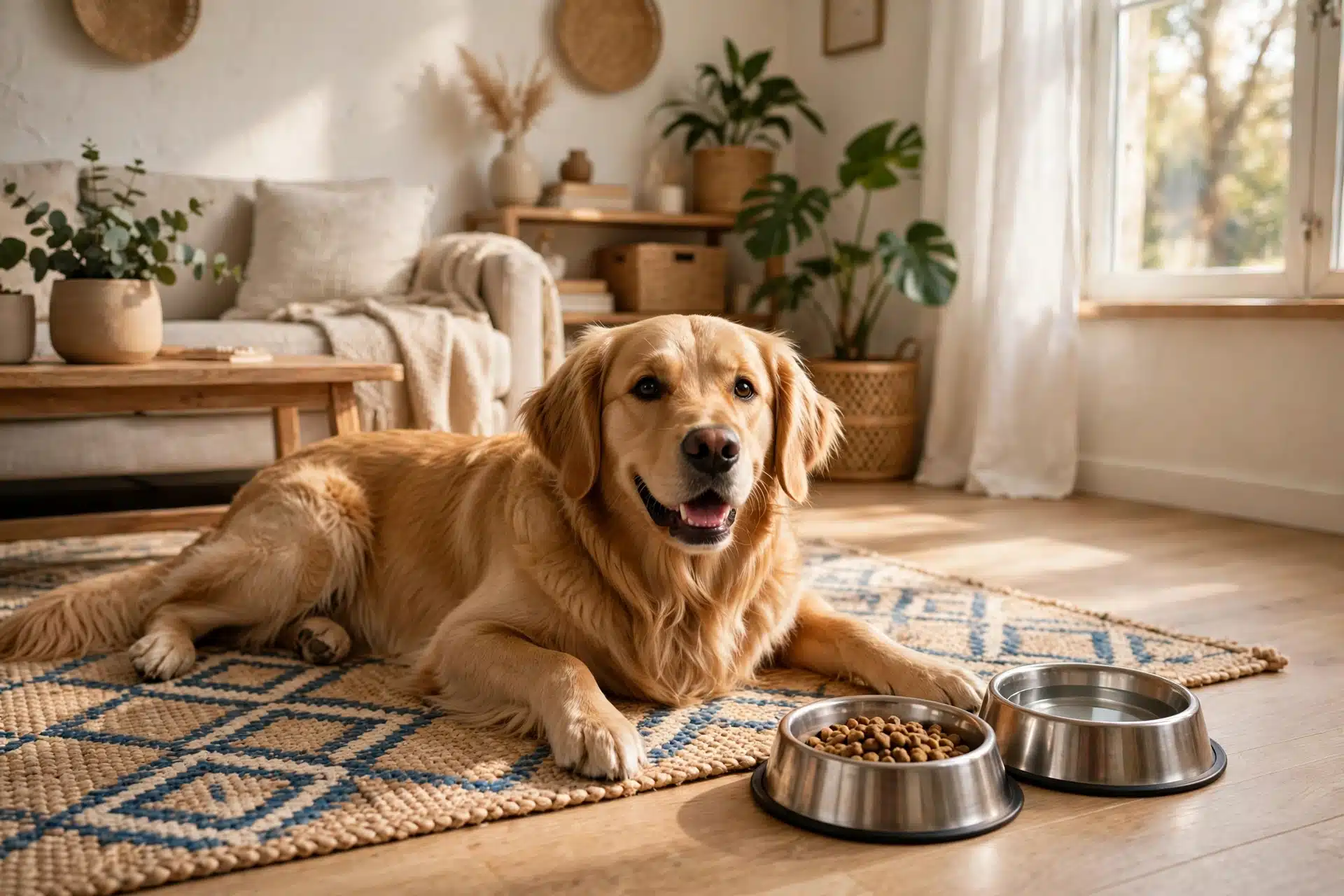
How to Take Care of a Dog at Home
Bringing a dog home changes the shape of an ordinary day. Suddenly there is a creature waiting by the door in the morning, watching you eat, following you from room to room, and depending on you for almost everything. That is the deal you make when you take a dog into your life, and most owners will tell you it is a good one. But the first weeks can feel like a lot. What should the dog eat? How much exercise is enough? When does it need the vet? The answers are simpler than they look, and they mostly come down to a steady routine done well, day after day. Among the many pet care tips you will read online, the honest ones agree on this: a dog does not need a perfect owner. It needs a consistent one.
This guide explains how to take care of a dog at home in plain, practical terms. It covers food and water, exercise, grooming, training, vet care, home safety, sleep, and the mistakes new owners make most often. Every dog is a little different, and what works for a young Labrador will not suit an old Pug, so the advice here is a starting point. When something about your dog worries you, your vet is the person to ask, not a search result.
How to Take Care of a Dog at Home: Quick Facts
- Food: Most adult dogs do well on two measured meals a day; puppies need three to four smaller meals until about six months old
- Water: Clean, fresh water should be available all day, every day, with bowls washed regularly
- Exercise: Most adult dogs need 30 to 60 minutes of activity a day, plus time to sniff, explore and play
- Grooming: Brush weekly (daily for long or curly coats), bathe every four to eight weeks, trim nails every three to four weeks
- Training: Short, kind, reward-based sessions work best; keep them to five or ten minutes at a time
- Vet care: A first check-up within the first week of bringing a dog home; adult dogs need a check-up at least once a year
- Vaccines: Puppies get a series of shots from about six to eight weeks old, repeated until at least 16 weeks; rabies is usually legally required
- Sleep: Adult dogs sleep 12 to 14 hours a day; puppies and older dogs sleep more
- Treats: Keep treats under a tenth of your dog’s daily calories
- Alone time: Dogs should not regularly be left alone for more than six hours at a stretch
Food and Water: The Foundation of Dog Care
Food is where most dog care goes wrong, and usually in the same direction: too much of it. A dog that is fed a little extra at every meal, plus treats through the day, plus scraps from the table, will put on weight gradually, and you may not notice until the vet points it out. The fix is simple and boring, which is why it works. Measure every meal.
Choosing the right food
A complete commercial dog food, one labelled complete and balanced for your dog’s life stage, covers the basics for most dogs, and it is the simplest choice. Puppy food is made for growing bodies. Adult food is made for maintenance. Senior food is usually lower in calories and easier on the joints. Pick the one that matches your dog’s age and size, and follow the feeding guidance on the packet as a starting point, not as a rule carved in stone. Your vet can adjust the amount for your dog’s weight, activity and health.
Changing food should be done slowly, over about a week, mixing the new food in with the old a little more each day. A sudden switch is one of the commonest causes of an upset stomach, and it is easy to avoid.
How often to feed
Most adult dogs do well on two meals a day, one in the morning and one in the evening. Puppies need three to four smaller meals a day until they are about six months old, because their stomachs are small and their energy needs are high. Older dogs often do fine on two meals as well, though some do better on smaller, more frequent ones. The important part is the routine. Dogs settle quickly when meals arrive at the same times each day, and a dog that knows when food is coming is a calmer dog.
Treats and table scraps
Treats are part of training and part of the fun, but they add up fast. A good habit is to keep treats under a tenth of your dog’s daily calories, and to use small pieces rather than whole biscuits. A pea-sized piece of a treat works just as well as a reward, and your dog will not mind the smaller size. Table scraps are best kept to a minimum. Some human foods are fine in small amounts, but several common ones are dangerous for dogs, and the safest rule is to know the list before you share anything from your plate.
Foods dogs should never eat include chocolate, grapes and raisins, onions and garlic, xylitol (a sweetener found in some sugar-free products), alcohol, and macadamia nuts. If your dog eats any of these, call your vet straight away rather than waiting to see what happens.
Fresh water, always
Water sounds too obvious to mention, and it is the thing owners forget most often. A dog needs clean, fresh water available all day, every day. Wash the bowls regularly, because a slimy bowl puts dogs off drinking, and a dog that drinks less is more likely to run into trouble, especially in hot weather. In summer, check the water more often, keep the bowl in the shade, and take water with you on longer walks.
Exercise and Play: More Than a Walk Around the Block
A dog that does not get enough movement will find its own ways to burn energy, and you will not like most of them. Chewed shoes, dug-up gardens, barking at nothing, and bouncing off the furniture are usually signs of boredom before they are signs of bad behaviour. Exercise is the cure, and it needs to be both physical and mental.
How much exercise does a dog need?
Most adult dogs need 30 to 60 minutes of activity a day, but the right amount varies a lot. A young, energetic dog such as a Border Collie, Australian Shepherd or Labrador may need an hour or more, plus training or puzzle games to keep its mind busy. An older dog, or one with health problems, may need gentler, shorter walks. Short-nosed breeds such as Pugs and Bulldogs need shorter, gentler sessions, especially in hot weather, because they can struggle to breathe when they overheat.
Puppies need a different approach again. Their joints are still growing, so long runs and repeated jumping are best avoided. Short walks, play, and plenty of rest suit them better. A tired puppy is a puppy that has played, not one that has been run into the ground.
Let the dog sniff
A walk is not just exercise. The sniffing matters as much as the walking. Dogs take in most of their information about the world through their noses, and letting a dog stop and sniff during a walk is a form of mental enrichment. It tires them out in a good way and keeps them calmer afterwards. If your walks are always a brisk march with no stops, your dog is getting the steps but missing half the point.
Play and mental enrichment
Play counts as exercise, and it counts as bonding too. Fetch, tug-of-war, and gentle wrestling games all work, as long as the game has rules your dog understands. Tug is fine if your dog knows to drop the toy when asked. Puzzle feeders, snuffle mats, and food hidden around the house give a dog something to think about, which is just as important as the run. A dog that has run for an hour but had nothing to think about will still be bored and restless by the evening.
Grooming: Small Habits, Big Payoff
Grooming is not about looks. A weekly brush removes loose hair and gives you a chance to feel for lumps, ticks, sore patches, or anything else that needs attention while it is still small. It is also one of the easiest ways to build trust with your dog, because it is calm, hands-on time together.
Brushing and bathing
How often you brush depends on the coat. A short-coated dog may need brushing once a week. A long or curly coat needs several brushings a week, or daily, to stop mats forming. Mats are painful and can trap moisture against the skin, which can lead to infections.
Baths are needed far less often than people think. Every four to eight weeks is plenty for most dogs, and too much washing strips the coat’s natural oils. Always use a dog-specific shampoo. Human shampoo is made for human skin and can dry out or irritate a dog’s coat. If your dog rolls in something foul, that is the exception, not the routine.
Nails, ears and teeth
Nails need trimming every three to four weeks, or every four to eight weeks depending on how much your dog walks on hard surfaces. Overly long nails affect how a dog walks and can cause pain. If the clicking on hard floors is getting loud, it is probably time. If you are nervous about cutting too far, ask your vet or a groomer to show you once, in person, rather than learning from a video.
Ears should be checked weekly. Clean them with a vet-approved solution when they look dirty, and never push anything deep into the ear canal. Teeth matter more than most owners realise. Regular brushing is the single most effective thing you can do for your dog’s dental health between professional cleanings, according to veterinary guidance. Dental chews help, but they are not a replacement for brushing, and bad teeth, left alone, can turn into a serious health problem.
Training: Kind, Short and Consistent
Training is how a dog learns to live in a human house, and it works best when it is kind, short, and consistent. The method most vets and trainers recommend is positive reinforcement: rewarding the behaviour you want with treats, praise, or play, so the dog wants to do it again.
The basics every dog should know
Sit, stay, come, leave it, and walking calmly on a lead are the skills that make daily life easier. They are also the skills that keep a dog safe. “Come” is the most important of all, because it is the one that brings your dog back when something goes wrong. Teach these in short sessions, five or ten minutes at a time, a few times a day. A dog’s attention fades quickly, and a short session that ends well teaches more than a long one that ends in frustration.
House training
House training takes weeks to months, and it relies on a simple pattern. Take your puppy outside after meals, after naps, and after play, and reward it calmly when it goes outside. Accidents inside will happen. Clean them up without a fuss and move on. Punishing a dog after the fact does not work, because the dog cannot connect the punishment to something it did minutes ago. It only learns to be nervous around you.
What not to do
Shouting, hitting, and punishment-based methods are not only unkind, they are less effective. A frightened dog may stop the behaviour in front of you and do it when you are not looking, which solves nothing. If you are struggling with a behaviour, a good trainer who uses reward-based methods, or a word with your vet, will get you further than raising your voice.
Vet Care and Vaccinations: Prevention Beats Cure
The cheapest vet visit is the one that stops a problem before it starts. Regular check-ups, the right vaccines, and parasite prevention cost far less than treating a disease that could have been prevented.
The first vet visit
Book a first vet visit within the first week of bringing a dog home. Your vet will check your dog’s overall health, discuss a vaccine schedule, start parasite prevention, and talk about spaying or neutering when the time is right. Bring any records you have from a breeder, shelter, or previous owner. If your dog is a puppy, this visit also sets the plan for its first few months.
Adult dogs should see the vet at least once a year. Dogs over seven often benefit from a check-up twice a year, because health problems tend to show up quietly at that age, and catching them early makes treatment simpler.
The vaccination schedule
Puppies are normally given a series of combination shots, starting at around six to eight weeks old, repeated every two to four weeks until at least 16 weeks of age. The reason for the series is that a puppy gets some protection from its mother’s milk, and those antibodies can block a vaccine from working while they are still active. Nobody can tell from the outside exactly when that protection fades, so the shots are spaced out to cover the range. The core vaccines protect against distemper, parvovirus, adenovirus, and rabies. Rabies is usually required by law, and a booster is normally given about a year after the puppy series.
One of the biggest mistakes owners make is thinking one puppy shot is enough. It is not. Until the series is finished, keep your puppy away from places where unknown dogs go, such as dog parks and busy pet shop floors. Other non-core vaccines, such as those for leptospirosis or kennel cough, depend on your dog’s lifestyle and where you live, and your vet will advise which ones fit.
Fleas, ticks, worms and heartworm
Parasite prevention is part of routine care, not something to start when you see a flea. Your vet can set up a monthly plan that covers fleas, ticks, and heartworm, which suits your area. Keep a record of every vaccine and treatment, with the date and the next due date, and keep proof handy. Daycare, boarding kennels, and travel often ask for it, and a lost paper record is a common frustration.
When to call the vet
Call sooner than you think. Dogs are good at hiding pain, so a change in eating, drinking, energy, or toilet habits is worth a phone call, even if it seems small. Vomiting, diarrhoea that lasts more than a day, limping, a wound that will not heal, or anything swallowed that should not have been eaten are all reasons to ring the same day. Waiting to see if it passes is one of the mistakes owners regret most.
Setting Up Your Home for a Dog
A dog-proof home is not a perfect home. It is a home where the dangerous things are out of reach and the dog has its own comfortable place to be.
A safe space to rest
Every dog needs a bed of its own in a quiet corner, somewhere it can go when the house gets busy. A crate can work well as a den, as long as it is never used as punishment, and the door is left open once the dog is settled. Somewhere warm, dry, and out of draughts is enough. It does not need to be fancy.
Hazards to move out of reach
Dogs investigate with their mouths, and a puppy is worse than a toddler. Keep cleaning products, medicines, and chemicals in cupboards. Tie up loose cables and keep small objects, such as socks, children’s toys, and hair ties, off the floor, because dogs swallow them more often than owners expect. Keep bins closed or behind a door. Some houseplants are toxic to dogs, so check yours and move the risky ones out of the way.
Gates, leads and the garden
A baby gate across a staircase, or a door closed at the right time, saves more trouble than most gadgets. Check your garden fence for gaps before the dog finds them. A dog that can get out will, sooner or later, try. If you garden, check which fertilisers and pesticides you use, and keep the dog off freshly treated areas until they are safe.
Sleep and Rest: The Part Owners Forget
Adult dogs sleep 12 to 14 hours a day, and puppies and older dogs sleep even more. Rest is part of care, not a break from it. A dog that is overtired behaves a lot like a child that is overtired: grumpy, nippy, and unable to settle. Protect sleep with a quiet bed, a predictable routine, and enough activity during the day that rest comes naturally. If your dog is sleeping most of the day and still restless at night, it may need more daytime activity, or it may be worth a word with your vet.
Puppies, Adults and Senior Dogs: Care Changes With Age
Care is not one routine for a dog’s whole life. Puppies need more meals, gentle play, and a vaccine series. Adults need their exercise and a steady weight. Senior dogs need shorter, gentler walks, softer bedding, and more frequent vet checks. An old dog may need help getting into the car or up the stairs, and may start to struggle with hearing or sight. None of that makes them less of a companion. It just means the routine adapts, the way it should for any family member getting older.
The same applies to health. Puppies and seniors get sick more easily, and they hide it less well. A change in appetite or energy in an old dog is worth a vet visit sooner rather than later.
A Simple Daily Routine
A good day for a dog has a simple rhythm: walk, meal, rest, walk, meal, calm evening. It does not need to be rigid, but a dog that knows roughly what happens next is a dog that relaxes. A rough shape looks like this.
Early morning: toilet break and a walk, then breakfast. Midday: a short walk or play, fresh water, and a little training or a puzzle toy. Afternoon: rest in their own bed. Evening: a longer walk or play session, dinner, and time with the family. Night: a last toilet break before bed. Fit the details to your day, but keep the pattern. Dogs do best with a steady routine, kind attention, and care that matches their age, size, and health.
Common Mistakes New Dog Owners Make
Most mistakes are not carelessness. They are the learning curve, and knowing them shortens it. These are the ones that come up again and again.
Feeding too much and skipping the scales. Treats, table scraps, and an extra scoop at dinner add up quietly. Weigh your dog regularly, even at home, and adjust the food when the weight starts to creep up. Obesity shortens a dog’s life, and it is one of the most common preventable problems vets see.
Skipping the early vet visit or falling behind on vaccines. A puppy is not fully protected after the first shot. Delaying the series because the puppy “never goes outside” is a mistake, because infection can still reach an indoor dog through shoes, visitors, and brief outings.
Underestimating exercise and mental enrichment. A walk around the block is not enough for most dogs. Without play, sniffing, and something to think about, boredom turns into barking, chewing, and digging.
Ignoring dental care. Teeth are easy to forget until they hurt. By then the treatment is expensive and the dog has been in pain for a while. A few minutes of brushing a week makes a real difference.
Leaving a dog alone too long. A dog left alone for eight hours a day, every day, will develop anxiety and destructive habits. Dogs left alone more than six hours regularly need a plan: a walker, a neighbour, family help, or daycare.
Waiting too long to call the vet. If something seems off, ring the vet. A phone call costs nothing and often settles the worry. Waiting can turn a small problem into a big one.
Assuming a healthy-looking dog cannot be ill. Dogs hide pain well. A dog that looks fine on the outside can still be carrying a problem that only a vet check will find, which is why the yearly visit matters even when nothing seems wrong.
Guessing at food and vaccines online. Every dog is different. A diet or vaccine plan that suits one dog may not suit another, because age, breed, health, and lifestyle all matter. Use online guides as a starting point and your vet as the final word.
Frequently Asked Questions About Taking Care of a Dog at Home
How often should I feed my dog at home?
Most adult dogs do well on two measured meals a day, morning and evening. Puppies need three to four smaller meals a day until they are about six months old. Follow the guidance on your dog food’s packet as a starting point and adjust for your dog’s weight, age, and activity with your vet’s help.
How much exercise does a dog need each day?
Most adult dogs need 30 to 60 minutes of activity a day, including at least one good walk and time to play and sniff. High-energy breeds often need an hour or more plus mental work, while older dogs and short-nosed breeds need shorter, gentler sessions.
How often should I bathe and groom my dog?
Brush your dog weekly, or daily for long or curly coats, so you can spot problems early. Bathe every four to eight weeks with a dog-specific shampoo, and trim nails every three to four weeks. Check ears weekly and brush teeth regularly.
How often should my dog see the vet?
Book a check-up within the first week of bringing a dog home. Healthy adult dogs need at least one check-up a year, and dogs over seven often benefit from twice-yearly visits. Puppies follow a vaccine series from about six to eight weeks until at least 16 weeks old, with a booster a year later.
How long can I leave my dog alone at home?
Dogs should not regularly be left alone for more than six hours at a stretch. If your day keeps you out longer, arrange a dog walker, a neighbour, family help, or daycare so your dog is not left alone all day.
What foods are dangerous for dogs?
Chocolate, grapes and raisins, onions and garlic, xylitol, alcohol, and macadamia nuts are all toxic to dogs. If your dog eats any of these, call your vet straight away rather than waiting to see what happens.
How much sleep does a dog need?
Adult dogs sleep 12 to 14 hours a day, and puppies and older dogs sleep more. Give your dog a quiet bed of its own and a predictable daily routine so rest comes naturally.
Conclusion
Learning how to take care of a dog at home is not about getting everything right on the first day. It is about showing up every day with measured food, fresh water, a decent walk, a few minutes of training, and time together. The details matter, and this guide covers them, but the heart of it is simple: feed your dog well, move its body and its mind, keep up with grooming and vet visits, and give it a safe, quiet place to rest.
Do that consistently, and most dogs will be healthy, calm, and easy to live with. The bond that builds along the way is the real reward. A dog that trusts you because you were there for it, day after day, is a dog that will follow you from room to room for years, and be glad it did. For readers who want to check the basic facts about dog breeds, health, and care, a general reference is a good place to start.
