


Managing a rental property is far more than just collecting a monthly check; it is a significant legal responsibility that requires constant vigilance. To navigate the maze of shifting regulations, many property owners are turning to a Landlord Safety Expert to ensure their investments remain both profitable and lawful. These specialists act as a shield, protecting you from hefty fines and, more importantly, ensuring your tenants are living in a secure environment
Why You Need a Landlord Safety Expert Today
The rental market is currently under a microscope. Local governments and national housing authorities are tightening safety standards every year. If you aren’t a full-time compliance officer, it is incredibly easy to miss a new mandate regarding carbon monoxide detectors or electrical wiring standards.
A Landlord Safety Expert bridges the gap between ownership and compliance. They aren’t just inspectors; they are strategic partners who understand the nuances of housing law. By identifying potential hazards before they become expensive liabilities, they save you money and stress in the long run.
The Growing Complexity of Rental Laws
In the past, a simple annual gas check might have sufficed. Today, the checklist is exhaustive. From Legionella risk assessments to Minimum Energy Efficiency Standards (MEES), the requirements are evolving. A specialist stays updated on these changes so you don’t have to spend your weekends reading legislative updates.
Core Services Provided by a Landlord Safety Expert
When you hire a professional, you aren’t just paying for a signature on a form. You are paying for a comprehensive evaluation of your property’s health. Here are the primary areas where a Landlord Safety Expert adds immense value:
1. Gas Safety Inspections (CP12)
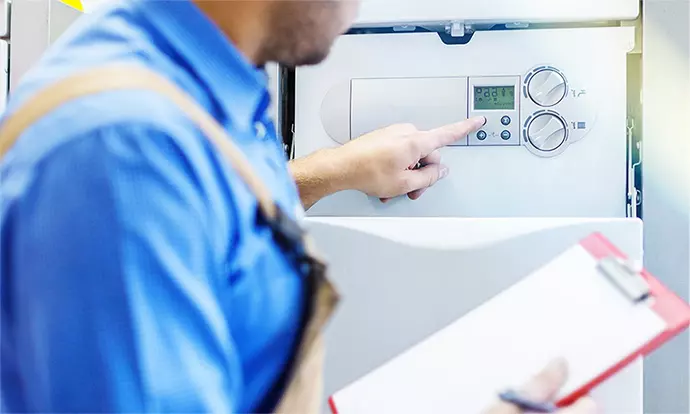
Gas leaks and faulty boilers are silent killers. An expert ensures that every gas appliance—from the oven to the central heating system—is functioning perfectly. They provide the Landlord Gas Safety Record, which is a mandatory document for any legal tenancy.
2. Electrical Installation Condition Reports (EICR)
Electrical fires are a leading cause of property damage. A Landlord Safety Expert coordinates or performs detailed testing of the “fixed” electrical parts of the property. This includes wiring, socket-outlets, and lighting fittings to ensure nothing is at risk of overloading or short-circuiting.
3. Fire Safety and Smoke Alarms
It isn’t enough to just “have a smoke alarm.” An expert verifies that alarms are placed on every habitable floor and that carbon monoxide detectors are present in rooms with solid fuel-burning appliances. They also evaluate fire doors and escape routes to ensure they meet modern standards.
4. Legionella Risk Assessments
Water safety is often overlooked until it’s too late. Stagnant water in tanks or unused pipes can harbor Legionella bacteria. An expert assesses the risk profile of your water system and provides a clear plan to mitigate any potential outbreaks.
How a Landlord Safety Expert Protects Your Investment
Many landlords view safety checks as a “grudge purchase”—an annoying expense required by law. However, looking at it through the lens of a Landlord Safety Expert, these checks are actually an insurance policy for your reputation and your wallet.
-
Avoiding Litigation: If a tenant is injured due to a known hazard, the legal fees alone could bankrupt a small-scale landlord.
-
Preventing Fines: Local authorities can issue “Civil Penalties” reaching tens of thousands of dollars/pounds for non-compliance.
-
Tenant Retention: Residents stay longer in properties where they feel safe and cared for. High turnover is a silent profit killer.
-
Insurance Validity: Most landlord insurance policies are void if the owner fails to maintain up-to-date safety certificates.
The Difference Between a General Handyman and a Safety Expert
It might be tempting to ask a local handyman to “take a look” at your boiler or wiring. While handymen are great for fixing leaky faucets, they are not a substitute for a Landlord Safety Expert.
Compliance requires certified competence. A specialized expert holds specific licenses (such as Gas Safe registration or NICEIC certification) that a general laborer does not. Using uncertified individuals for safety checks is not only dangerous; it is often illegal and will not stand up in a court of law or an insurance claim.
Professional Indemnity
A true Landlord Safety Expert carries their own professional indemnity insurance. This means that if they miss something during an inspection, their insurance covers the fallout, not yours. This layer of protection is worth the premium price of hiring a specialist.
Integrating Safety Into Your Property Management Workflow
Efficiency is key to maintaining a successful portfolio. A Landlord Safety Expert can help you set up a recurring schedule. Instead of scrambling to find an inspector the day before a certificate expires, a professional service will track these dates for you.
-
Digital Portals: Many experts now use apps to store your certificates, making them easily accessible for tenants or local authorities.
-
Preventative Maintenance: During a safety check, an expert might notice a frayed wire or a slight rust spot on a pipe. Fixing these for $50 today prevents a $5,000 emergency repair next month.
-
Smooth Move-ins: Having a “Clean Bill of Health” from a Landlord Safety Expert ready at the start of a tenancy builds immediate trust with new renters.
Environmental Safety: The New Frontier
The definition of “safety” is expanding. Today, a Landlord Safety Expert also looks at environmental factors like mold, dampness, and energy efficiency.
Dealing with Mold and Damp
Health issues related to damp and mold have gained significant media and legal attention recently. An expert doesn’t just wipe away the mold; they find the structural cause—whether it’s poor ventilation or a rising damp issue—and recommend a permanent fix.
Energy Performance Certificates (EPC)
While often seen as a “green” initiative, an energy-efficient home is also a safer, more comfortable home. A Landlord Safety Expert can advise on how to improve your EPC rating, ensuring your property remains “lettable” as minimum ratings continue to rise.
Choosing the Right Landlord Safety Expert for Your Portfolio
Not all “experts” are created equal. When searching for the right partner, you should vet them based on more than just their hourly rate.
-
Check Credentials: Are they Gas Safe registered? Do they have electrical accreditation?
-
Ask for Sample Reports: A good Landlord Safety Expert provides clear, photographic evidence of issues, not just a “Pass/Fail” checkbox.
-
Read Reviews: Look for feedback specifically from other landlords or property managers.
-
Turnaround Time: In the rental world, time is money. You need an expert who can provide certificates within 24–48 hours of an inspection.
Common Myths About Landlord Safety
There is a lot of misinformation circulating in the landlord community. Let’s debunk a few common misconceptions with the help of a Landlord Safety Expert perspective:
-
Myth 1: “My property is new, so I don’t need checks.” Even brand-new builds can have installation errors or faulty appliances. The law does not grant “new-build exemptions” for safety certificates.
-
Myth 2: “I can do the risk assessment myself.” Technically, for some things like Legionella, you can. However, unless you have the training, you are taking a massive personal risk.
-
Myth 3: “If the tenant broke it, I’m not liable.” You are responsible for the integral safety of the property. While you might charge the tenant for the repair, you must ensure the repair is completed safely and promptly.
Conclusion: Making Safety Your Competitive Advantage
Hiring a Landlord Safety Expert is an investment in your peace of mind. In a market that is becoming increasingly litigious and regulated, “winging it” is no longer a viable strategy. By prioritizing the structural and operational safety of your rental units, you distinguish yourself as a professional, high-quality landlord.
The result? Better tenants, lower legal risks, and a more resilient investment. Don’t wait for an emergency or a government fine to take action. Contact a Landlord Safety Expert today to audit your portfolio and ensure your business is built on a foundation of safety and compliance.
Frequently Asked Questions (FAQs)
1. How often should I consult a Landlord Safety Expert?
At a minimum, you should have an expert visit annually for gas safety checks and every five years for electrical inspections (EICR). However, it is wise to have a general safety audit every time a tenant moves out to ensure no damage has occurred that could compromise safety for the next resident.
2. Can a Landlord Safety Expert help with “Right to Rent” or other legal paperwork?
While their primary focus is physical safety, many Landlord Safety Experts are well-versed in general housing law. They often work alongside property managers to ensure that all “onboarding” documents, including safety booklets and certificates, are served to the tenant correctly to satisfy legal “Section 21” requirements.
3. What happens if my property fails a safety inspection?
If a Landlord Safety Expert identifies a “Category 1” hazard (immediate danger), they are often legally required to isolate the appliance or power source. You will be given a “Notice of Remedial Action.” You must fix these issues within a specific timeframe (usually 28 days) to remain compliant.
4. Are these safety inspections tax-deductible?
Yes! In most jurisdictions, the cost of hiring a Landlord Safety Expert and the costs of the repairs they recommend are considered “allowable expenses.” This means you can deduct these costs from your rental income before calculating your tax liability.
5. Does a Landlord Safety Expert cover commercial properties too?
While the regulations differ slightly, the core principles of gas, fire, and electrical safety apply to commercial units as well. Many experts specialize in both residential and commercial sectors, though the “Health and Safety at Work” act adds extra layers of complexity to commercial inspections.
