


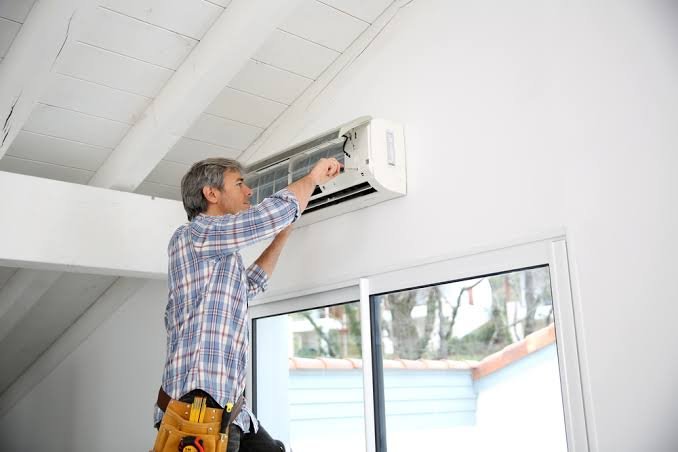
Your AC system is responsible for keeping your home cool and comfortable during the hot summer months. Installing an AC system in an older home requires assessing several key factors, such as the electrical system’s capacity, to verify proper functionality. Here are a few key factors to assess for AC installation in older homes:
Evaluate Home Load
Every older home has different cooling requirements based on its construction and layout. Technicians calculate cooling demand instead of matching the size of your existing system; this assessment supports balanced airflow throughout your home. Manual J load calculations evaluate factors such as insulation levels, window placement, home orientation, air leakage, and climate conditions. A home with large west-facing windows may require a different cooling capacity than one with shaded windows because it gains more heat from the afternoon sun. These calculations help match the HVAC system to your home’s actual heating and cooling needs.
Once technicians complete the assessment, they compare the results with your home’s existing conditions. Occupancy patterns also influence cooling demand during different times of the day. Proper sizing supports consistent indoor temperatures after AC installation.
Check Indoor Air
Older homes may have dust buildup, mold, poor ventilation, or air leaks that lower indoor air quality. If these issues are not addressed, the new AC system will circulate dust and other pollutants throughout the home. If mold is growing inside old ductwork, the new AC system spreads mold spores to different rooms every time it runs. Checking indoor air quality also helps determine whether the home needs better ventilation, duct cleaning, or air filtration before installation. Assessing indoor air quality allows the AC system to deliver cleaner air and operate more efficiently while supporting a healthier indoor environment.
Test System Performance
Testing confirms that each system component operates correctly after installation. Airflow measurements verify balanced cooling throughout different areas of your home, and thermostat settings are checked before the process is finalized. Technicians measure refrigerant levels and review safety controls during system testing.
These inspections identify necessary adjustments before regular operation begins, making sure the system performs as expected. After testing is complete, technicians explain basic system operation and maintenance requirements. This guidance helps you understand normal performance throughout the year, while regular maintenance supports reliable cooling and system efficiency.
Inspect Existing Ductwork
An old ductwork system impacts the distribution of cooled air once your new system is installed. Duct damage also limits the flow of air from room to room and can affect the cooling process. The following is what technicians check before installation:
- Duct condition. New equipment is connected to the existing ductwork, while damaged or old sections of ductwork are inspected.
- Airflow restrictions. Air flow may be limited between rooms due to furniture placement or crushed ducts.
- Duct leakage. Minor leaks allow conditioned air to escape before it reaches living areas.
- Air distribution. Supply and return vents are checked for air balance.
Plan Your AC Installation Today
Proper planning helps verify that older homes receive cooling systems that are matched to their existing structure and mechanical components. Every assessment supports better airflow, system performance, and long-term operation after installation. A professional AC installation assessment also helps identify conditions affecting cooling performance before work begins. Contact an established HVAC company today to schedule an installation assessment for your older home.